Blogs
Clinical articles from New Zealand dry eye specialists — diagnosis, treatments, and what to expect at a specialist clinic.
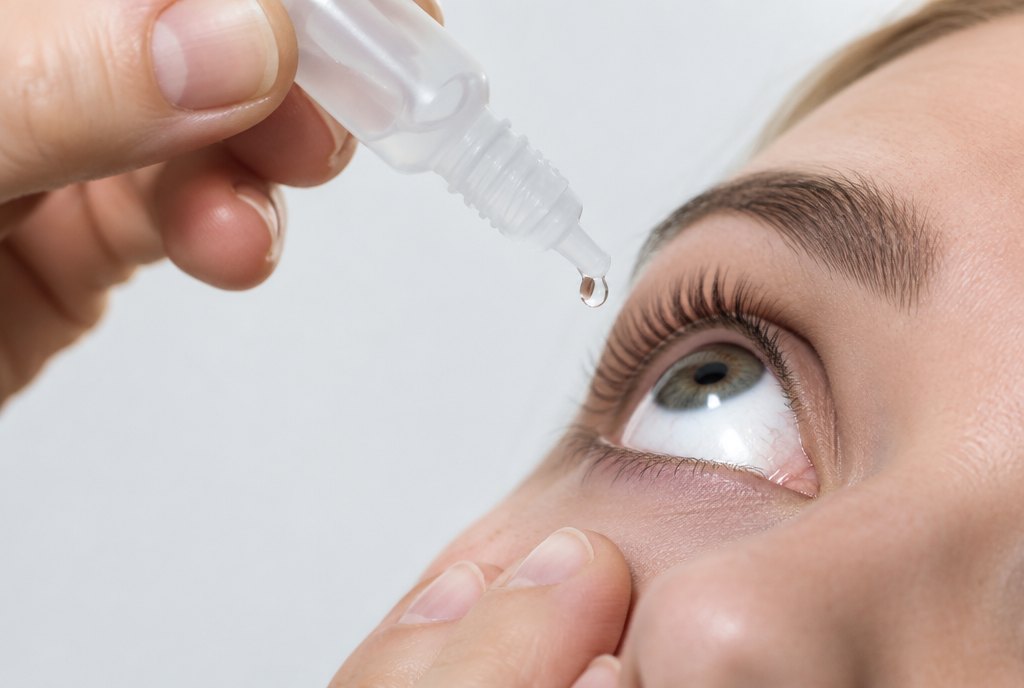
A Belgian crossover trial compared 20% and 100% autologous serum eye drops with preservative-free artificial tears in 46 people with severe dry eye. Here is what the abstract shows, and what it leaves unanswered.
Read More

A 2026 retrospective study of 45 patients with Demodex-related corneal inflammation found better corneal and tear film signs in the 10 who had IPL added. It was small, single-centre, non-randomised and unmasked, so it is a reason for trials, not a conclusion.
Read More
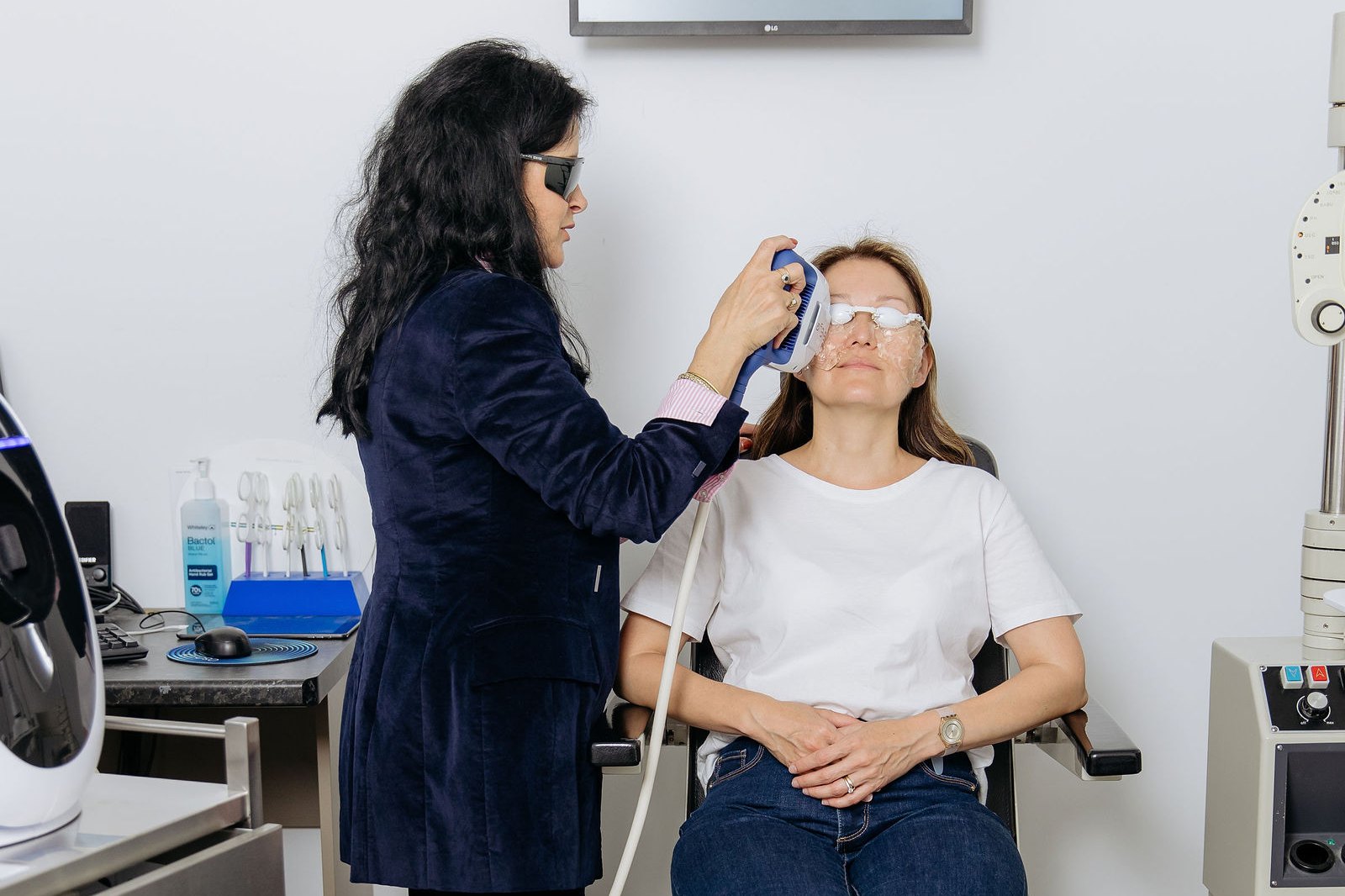
A 2026 meta-analysis of four small studies found IPL was associated with better symptom scores in dry eye after LASIK, but measured signs did not clearly change and there was no comparison group.
Read More
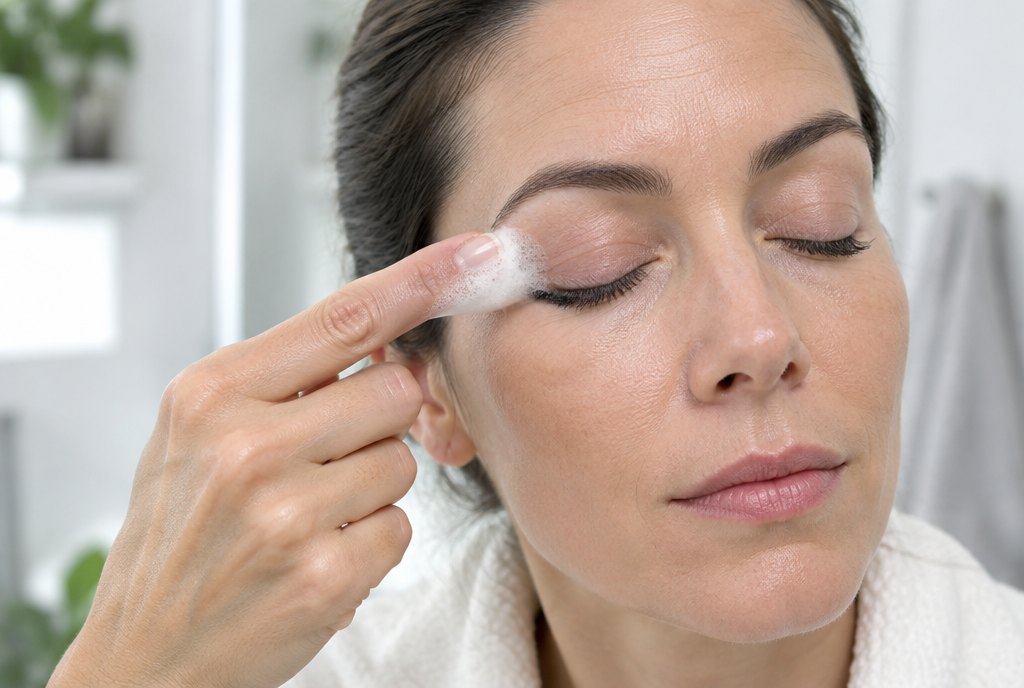
A 50-person randomised trial compared tea tree oil gel with azithromycin drops for meibomian gland dysfunction over four weeks. Tea tree oil did better on most measures, but the trial was small, short and single-masked.
Read More

A double-masked sham-controlled trial in 18 symptomatic contact lens wearers found IPL reduced eyelid bacterial counts at day 42, with partial rebound by day 90 and no link between bacteria and comfort. We explain what it can and can't tell you.
Read More
A 2026 systematic review of 89 studies found topical retinoids applied near the eyes were associated with more pain, dryness and burning, mostly with prescription strengths. What it can and cannot tell you about your oil glands.
Read More
A 2026 randomised trial compared eyelid wipes, hypochlorous acid and saline for blepharitis. Wipes eased symptoms more than saline at four weeks; hypochlorous acid sat in between. We explain what it can and can't tell you.
Read More
A plain-English guide to the 2026 Cochrane review of cyclosporine eye drops for dry eye disease: modest, low-to-moderate certainty benefits, higher discontinuation, and who the drops may suit.
Read More
Dry Eye
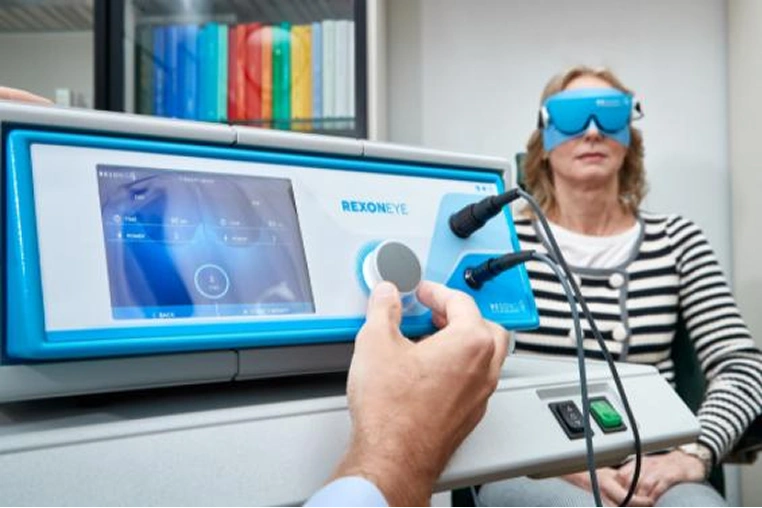
Rexon-Eye is a painless electrotherapy that works differently from heat-based devices. Here is what a 40-patient double-masked randomised trial found against placebo, what two uncontrolled mixed-type studies measured, and where tear production did not change.
Read More
Dry Eye
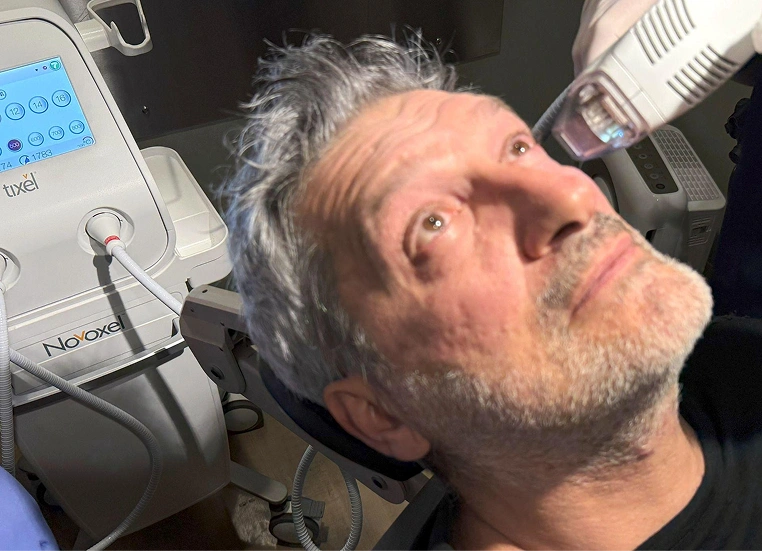
Tixel is a newer thermomechanical treatment for meibomian gland dysfunction. Full-text review of a 40-patient uncontrolled pilot and a 21-person responders-only extension: the actual numbers, the settings, who paid, and why the studies cannot tell you your own odds.
Read More
Dry Eye
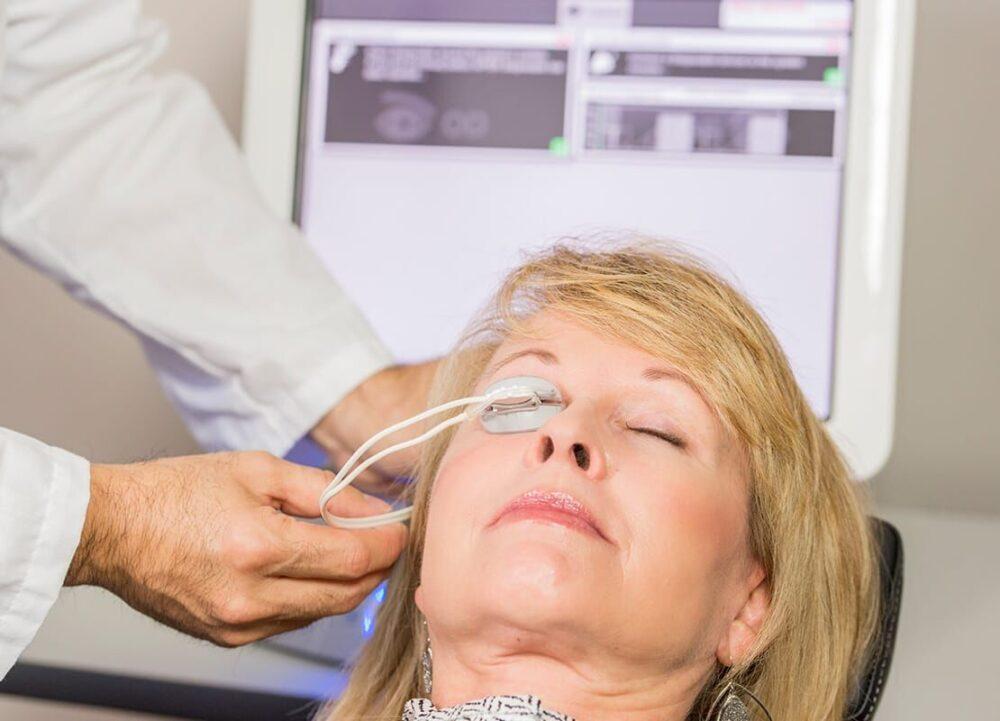
LipiFlow warms and clears blocked oil glands from inside the lid in one 12-minute session. Here is what a meta-analysis of ten randomised trials and a 200-person 12-month trial actually measured, with the numbers, side effects and the limits of the evidence.
Read More
Dry Eye
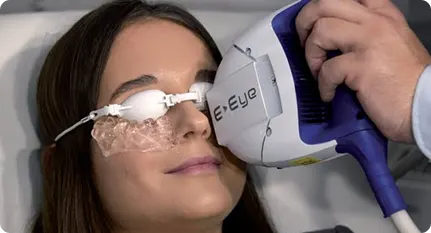
Most dry eye is an oil-gland problem, and IPL targets that cause. Here is what two sham-controlled randomised trials found, in numbers: better tear stability and gland function, a smaller effect on symptoms, and what the short follow-up can't tell you.
Read More
Dry Eye
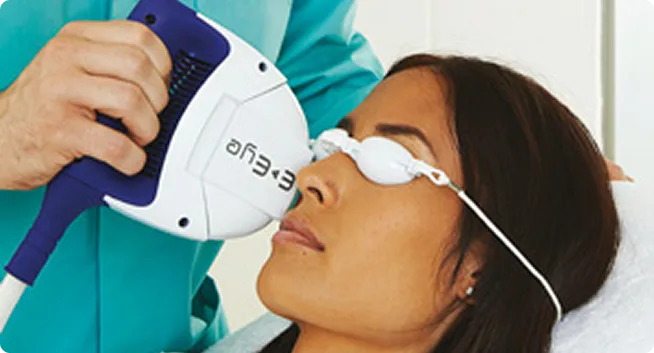
Dry eye is a chronic condition managed in stages, not a problem solved in a single appointment. How a specialist plan is structured — foundation care, in-office procedures, the lubricant ladder, prescribed medicines and nutrition — why each step should name the problem it is fixing, and what happens at review.
Read More
Dry Eye
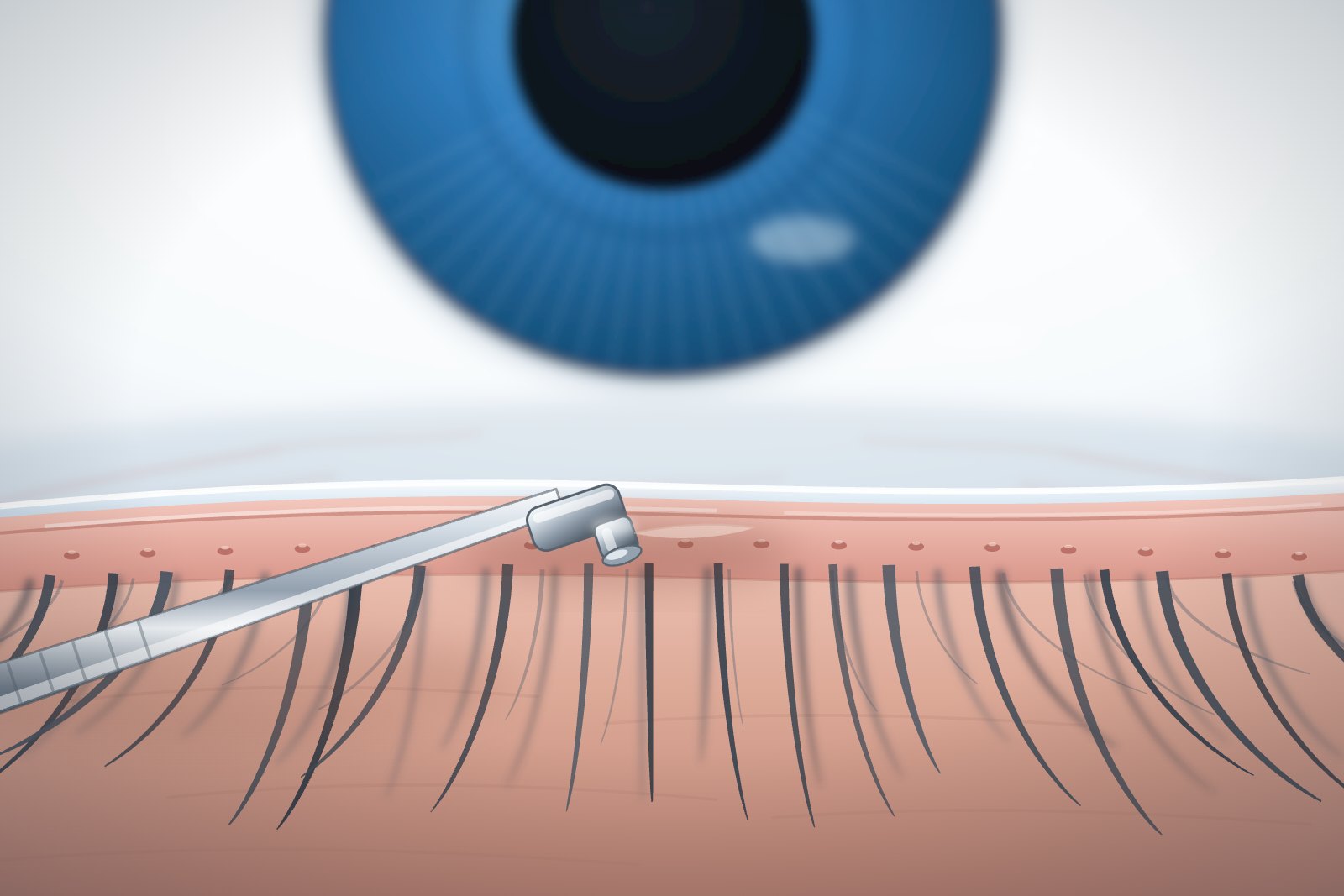
Device treatments get the attention, but a great deal of dry eye care is done by hand. What lid debridement, meibomian gland expression, lacrimal lavage and Blephasteam moist-heat goggle therapy actually involve, what each one is for, and how they sequence alongside the technology.
Read More

Dry Eye
Lubricants and lid hygiene are the foundation of dry eye care, but inflammation sometimes needs treating directly. What topical corticosteroids, oral doxycycline, oral azithromycin and anti-allergy medicines actually do, the doses used in New Zealand practice, why the low-dose antibiotics are not really being used as antibiotics, and the monitoring each one requires.
Read More
.webp)
Dry Eye
Three of the most informative dry eye tests fit in a drop: fluorescein maps corneal damage and times tear break-up, lissamine green reveals the conjunctival and lid-wiper damage fluorescein misses, and ScoutPro osmolarity measures the saltiness of your tears — one of the most objective numbers in dry eye. What each test shows and what the results mean.
Read More

Dry Eye
Modern dry eye clinics measure before they treat. What the TearCheck platform actually examines — tear film stability, tear volume, redness, blinking and inflammation risk — and why infrared meibography, which photographs the oil glands inside your lids, is the single most consequential image in the workup.
Read More
Dry Eye
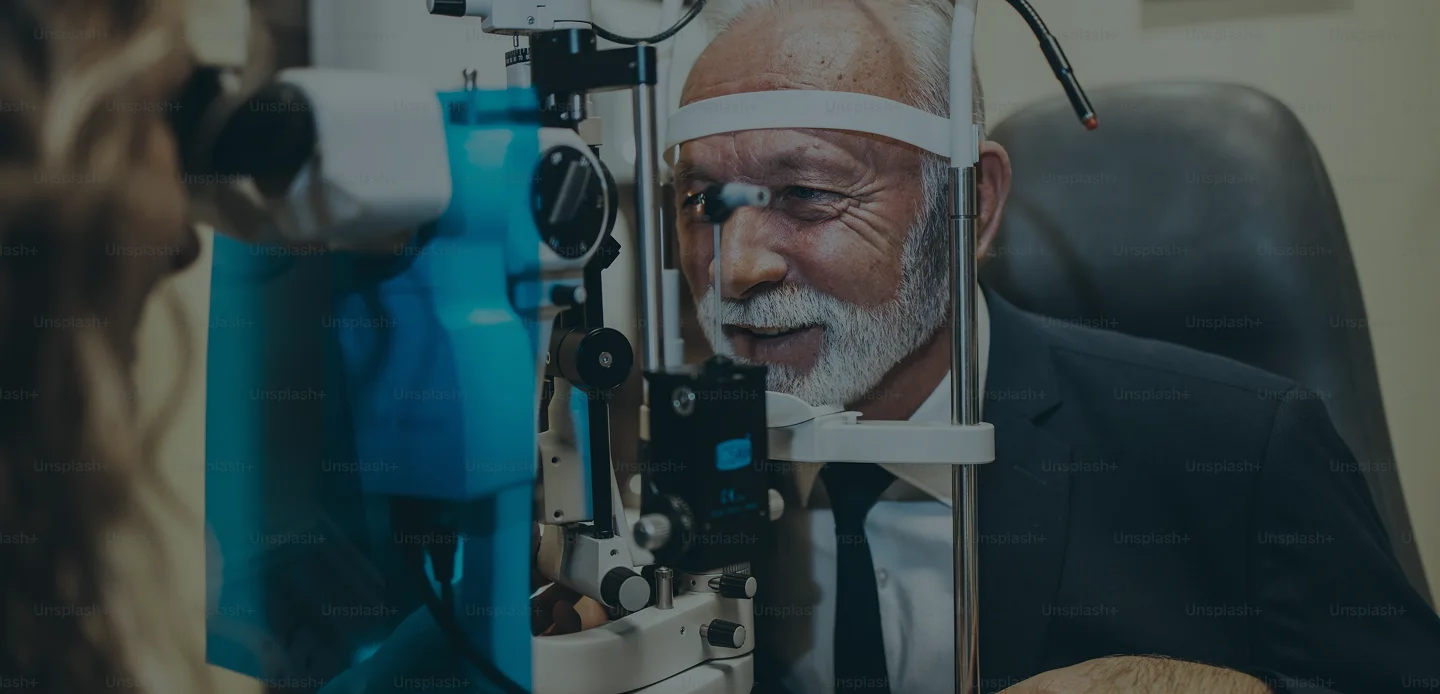
Dry eye treatment is only as good as the diagnosis behind it. A walk through the full specialist workup — questionnaires, TearCheck tear-film analysis, ScoutPro osmolarity, vital-dye staining and meibomian gland imaging — and how each result steers the treatment plan.
Read More
Dry Eye
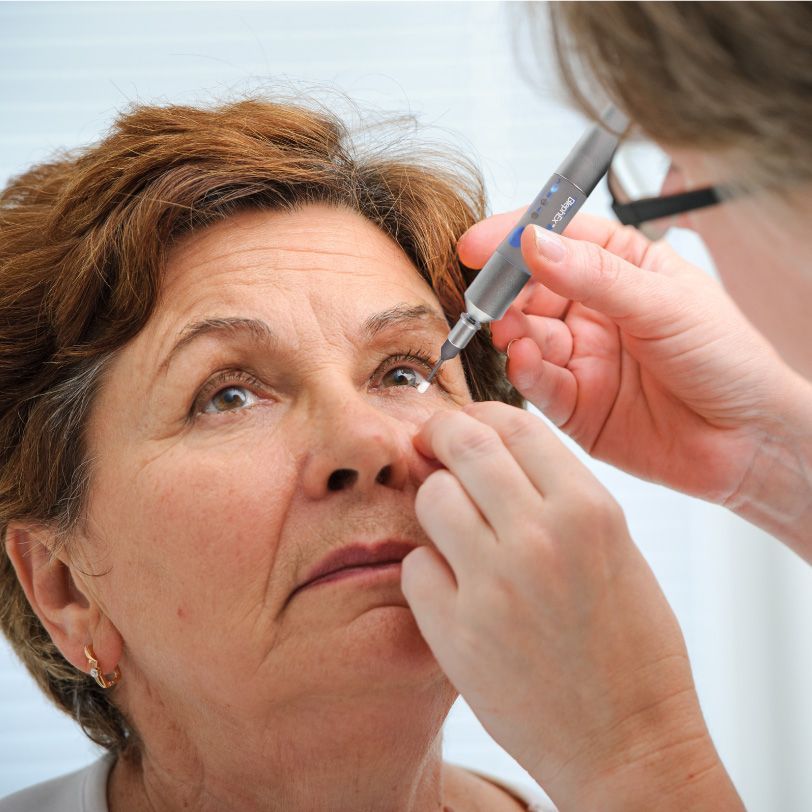
Demodex mites live in the lash follicles of most adults — and in overgrowth they cause a distinctive, stubborn blepharitis marked by collarettes at the lash roots. What the mites are, how we diagnose them at the slit lamp, why any treatment course must respect the mite's life cycle, and the honest role of BlephEx debridement alongside terpinen-4-ol and newer therapies.
Read More
Dry Eye
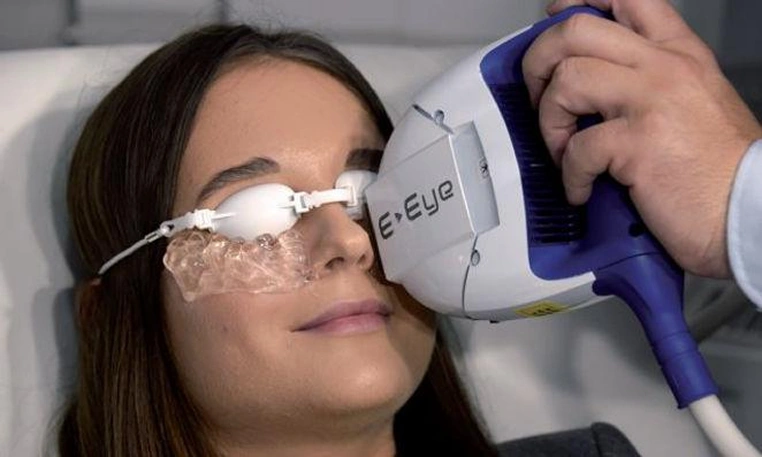
The five in-clinic dry eye treatments compared side by side — what each actually does, which type of dry eye it suits, what a course looks like, and how a specialist decides. Written so you can walk into your assessment knowing what the options mean.
Read More
Dry Eye
Meibomian gland dysfunction (MGD) underlies most dry eye — and it is the condition every treatment we offer is aimed at. What the meibomian glands do, why they block, why home remedies often fall short, and how each in-clinic treatment addresses a different part of the problem.
Read More
Dry Eye
A plain-language, research-based overview of BlephEx microblepharoexfoliation — the in-office eyelid deep-cleaning procedure — how it removes lid-margin biofilm, where it fits in blepharitis and dry eye care, and what the trials actually show.
Read More
Dry Eye
A research-based overview of Rexon-Eye quantum molecular resonance (QMR) electrotherapy for dry eye disease — its proposed mechanism and the prospective clinical evidence across mixed-type dry eye.
Read More
Dry Eye
A research-based overview of intense pulsed light (IPL) for meibomian gland dysfunction and evaporative dry eye, delivered on the Eswin platform — its mechanisms and the randomised-trial and meta-analytic evidence.
Read More
Dry Eye
A research-based overview of the Tixel 2 thermomechanical device for meibomian gland dysfunction and evaporative dry eye — its mechanism and the prospective clinical evidence, including the Safir pilot trial.
Read More
Dry Eye
A research-based overview of LipiFlow vectored thermal pulsation for meibomian gland dysfunction — how it works, and what the randomised trials, meta-analyses and the American Academy of Ophthalmology assessment actually show.
Read More
Dry Eye
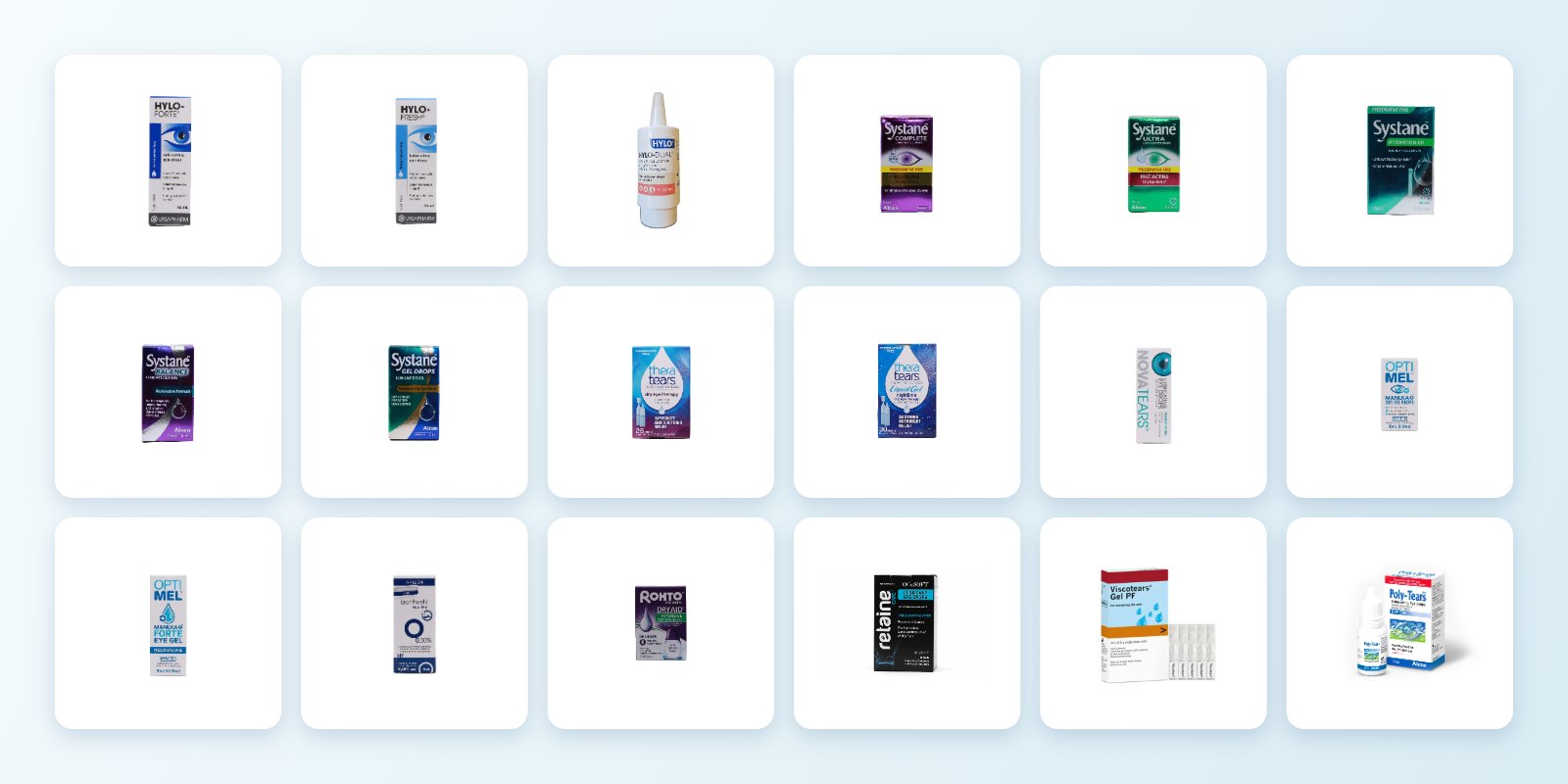
A clinical formulary of the dry eye drops, gels and ointments available across Dry Eye Specialist Group member practices — each mapped by its chemical composition to its intended use under the TFOS DEWS III (2025) management framework.
Read More
Copyright © DRYEYE Specialist Group 2026

