
Eyelash Mites: What Trials Say About Tea Tree Oil and Lotilaner
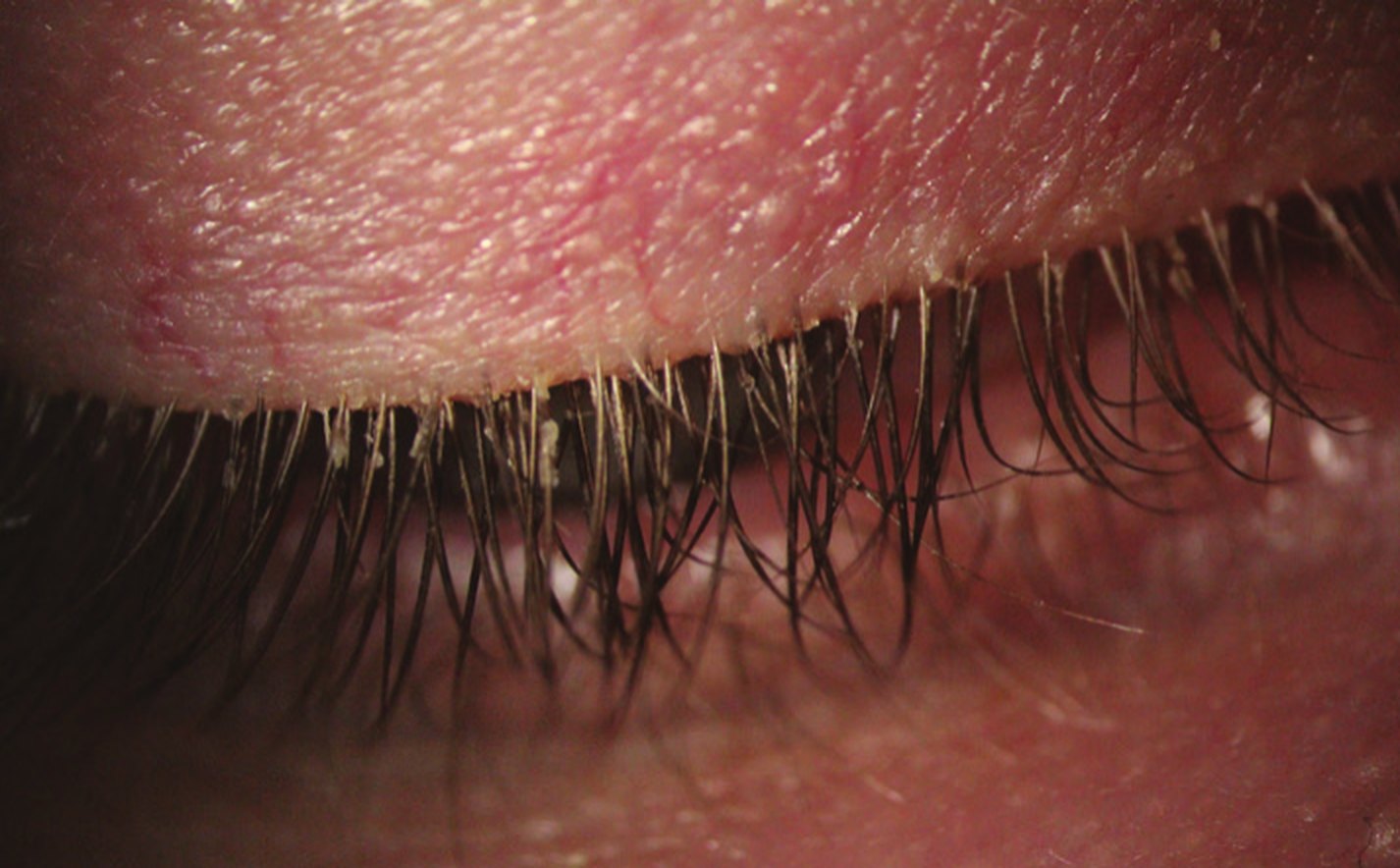
Demodex are microscopic mites that live in eyelash follicles. Most adults carry a few without trouble, but in larger numbers they are linked to Demodex blepharitis: itchy, red lid margins, crusty “collarettes” around the base of the lashes, and a worse time with dry eye. Two treatments come up again and again – tea tree oil, which has been used for years, and lotilaner 0.25% (sold in the US as Xdemvy), a prescription eye drop approved by the US Food and Drug Administration in 2023.
A new systematic review and meta-analysis in Frontiers in Ophthalmology pooled the randomised trials for both. Before the results, one important point: this review was funded by Tarsus Pharmaceuticals, the company that makes lotilaner 0.25%. The funder was involved in the study design, interpretation of the data, writing the report and the decision to publish. Two authors were Tarsus employees, two worked for Curta, a consultancy, and the remaining seven received consulting fees from Tarsus. That does not make the numbers wrong, but it is worth keeping in mind.
What the review did
The authors searched five major databases and trial registries up to July 2025 for randomised controlled trials in adults with eyelash mites. They found nine trials with 1,513 patients:
- Four lotilaner trials (including the large Saturn-1 and Saturn-2 studies), each comparing the drop used twice daily for about six weeks against an inactive “vehicle” drop.
- Five tea tree oil trials using a mix of products: shampoos, lid wipes, swabs and scrubs, at concentrations from 7.5% to 50%, sometimes combined with other ingredients. The comparison groups were not true placebos – they included baby shampoo, ordinary eyelash shampoo, or sham scrubs alongside in-office lid exfoliation.
The lotilaner trials were judged mostly at low risk of bias; two of the five tea tree oil trials were judged at high risk.
What it found
Lotilaner versus vehicle
- Mite numbers: about 1.29 fewer mites per lash than vehicle at 2–4 weeks (95% confidence interval −1.44 to −1.15), with a similar difference at 6–8 weeks.
- No mites at all: odds ratio 4.70 at 2–4 weeks (95% CI 3.35 to 6.59) and 9.60 at 6–8 weeks (95% CI 5.50 to 16.74).
- Collarettes cleared to 0–2 per lid: odds ratio 8.39 at 2–4 weeks and 9.67 at 6–8 weeks (95% CI 6.64 to 14.08).
- Lid redness resolved: odds ratio 3.91 at 6–8 weeks (95% CI 2.55 to 5.99).
All of these had P-values below 0.0001.
Tea tree oil versus comparison treatments
Tea tree oil did not show a statistically significant difference from the comparison groups. The difference in mites per lash was −0.02 at 2–4 weeks (95% CI −0.15 to 0.11; P = 0.747). The odds ratio for clearing mites was 1.81 at 2–4 weeks (95% CI 0.62 to 5.26; P = 0.274) and 1.47 at 6–8 weeks (95% CI 0.17 to 12.51; P = 0.722). None of the tea tree oil trials reported collarettes.
Reading those numbers
An odds ratio of 1 means no difference; 4.70 means the odds of clearing mites were roughly 4.7 times higher than with vehicle. The 95% confidence interval is the range the true effect most plausibly falls within. When that range crosses 1 (as with 0.17 to 12.51), the study cannot tell a real effect from no effect. A P-value estimates how likely a result this large would be by chance if the treatments were really equal; values above 0.05 are conventionally treated as “not shown”.
Is tea tree oil useless, then?
Not necessarily, and the authors say so. Because the tea tree oil trials compared it with active lid cleaning rather than a true placebo, the result is better read as tea tree oil “failing to outperform” other lid hygiene in mixed groups of patients. In two trials almost everyone, in both groups, ended up mite-free because they started with very few mites. The authors conclude that the effect of tea tree oil on mites remains uncertain. Tea tree oil can also sting, and laboratory studies cited in the review suggest some forms may be harmful to oil-gland cells, so it is best used under guidance.
Tea tree oil is also being studied for a different problem – blocked oil glands rather than mites. We look at that separate, smaller trial in tea tree oil versus azithromycin for meibomian gland dysfunction.
Can I get lotilaner in New Zealand?
At the time of writing, we are not aware of lotilaner 0.25% being approved by Medsafe or available on the New Zealand market. Approval and supply can change, so ask your optometrist for the current position. In the meantime, Demodex is managed here with a combination of lid hygiene, in-clinic lid cleaning and, for suitable patients, light-based treatment. Our earlier article on Demodex, the cornea and early evidence for IPL covers one of those options, and you can read more about IPL therapy for dry eye and other dry eye treatments.
What the studies can't tell us
- Sponsor involvement. The manufacturer of lotilaner funded the review and helped design, interpret and write it, and every author was paid by or employed by the company or its consultancy.
- No head-to-head comparison. Lotilaner and tea tree oil were each compared with a different control. The authors state the results should not be read as proof that lotilaner is better than tea tree oil.
- Uneven evidence. The tea tree oil trials were small (most under 30 people per group), used very different products and strengths, and two had a high risk of bias.
- Short follow-up. The longest time point was 6–8 weeks. Mites can return, and longer-term results were not pooled.
- Side effects were not summarised in the meta-analysis.
Getting your dry eye assessed
Collarettes and itchy lid margins are easy to spot at the slit lamp, and confirming whether Demodex is involved is part of finding the cause. The aim is to treat the cause, not just the symptom. The first step is a full eye examination (or a copy of one done elsewhere within the last six months), followed by a Dry Eye Evaluation, which is a paid consultation. Any in-clinic treatment is then recommended from what the examination and Evaluation find, rather than chosen in advance.
Dry Eye Specialist Group member practices
The Dry Eye Specialist Group is a group of independent optometry and ophthalmology practices across New Zealand that share a diagnosis-first approach.
- Illume Eye Care, Ponsonby, Auckland — 09 280 3711 — illumeeyecare.co.nz
- Bay Eye Care, Tauranga — 07 571 6644 — bayeyecare.co.nz
- Rose Optometry, Hamilton — 07 847 3195 — roseoptom.co.nz
- Visique Rototuna Optometrists, Rototuna, Hamilton — 07 852 5625 — rototunaoptometrists.co.nz
- Eye Surgeons, Hamilton, Cambridge, Pukekohe, Thames and Whanganui — 07 242 0977 — eyesurgeons.co.nz
- Visique Shattky Optometrists, Hastings and Waipukurau — Hastings 06 876 3777, Waipukurau 06 858 9117 — shattky.co.nz
- Feilding Visique Optometry, Feilding — 06 323 9067 — feildingvisique.co.nz
- Naylor Palmer Optometrists, Palmerston North — 06 358 8781 — naylorpalmer.co.nz
- Milburn & Neill Optometrists, Dunedin — 03 477 7666 — milburnandneill.co.nz
Not every treatment is offered at every practice. For more detail, see the Dry Eye Specialist Group member practices page or call the Dry Eye Specialist Group on 0800 349 379.
References
- Gaddie IB, et al. Systematic literature review and meta-analysis of lotilaner 0.25% and tea tree oil for Demodex blepharitis. Frontiers in Ophthalmology. 2026. PMID 42952720. doi:10.3389/fopht.2026.1978403
